


AI-native hotel operations means designing hotel operations around what AI can do, then redesigning people’s roles, training, and routines around it.
Sloan Dean is building AI Hospitality Group from the ground up around this approach. That means more than adopting existing tools for existing tasks: he and his teams are rethinking process steps, who performs them, and how teams are trained.
As examples, that can mean an AI recruiter that handles the process leading up to an interview, systems that feed information into the daily standup, and managers learning a different way to do their jobs.
Sloan, the former CEO of Remington Hospitality, described this approach in our September 2026 conversation for Hospitality Daily. He and his team at AI Hospitality Group have been developing this model through design partnerships at the Ameswell Hotel, Marina del Rey Hotel, and Hotel Hermosa.
Building a Hotel Management Company Around AI
As Sloan sees it, the hotel profitability equation is broken today. He sees too much operating work consuming time and money that could better support the property and the people in it.
Starting a new AI-native company lets him think from first principles about departments, processes, and technology. “Should I have a human resources department? Should I even have accounting?” In an established business, Sloan said, those decisions are constrained by the organization already in place. Redesigning around AI may mean removing existing jobs or replacing technology the company has bought.
“You have to reimagine the work processes, the labor standards, and the training of the people that you do have,” he told me.
That is why AI Hospitality Group is a hotel management company, and hotel owners engage it through a management agreement. Most of its compensation will come through profit sharing, connecting the company’s earnings to the performance of its operating approach.
Buying software leaves the hotel operator with the work of introducing it, changing processes, and helping people use it. AIHG intends to bring its technology and that operating responsibility together in one service. The owner is hiring a company to run the hotel.
Sloan calls this an AI-native service business. The term also appears in Emergence’s explanation of AI-native services: the buyer purchases a result, with the provider responsible for delivering it using AI, people, or both. In a hotel, that responsibility includes physical service and a team working on property.
Which Hotel Processes Can AI Take On?
Sloan described starting with two things: the largest costs on the hotel P&L and the work AI can perform today.
A costly process may still be difficult to automate. Some hotel work requires physical activity. Other tasks may be technically possible but take so much engineering that they become a poor starting point.
“You start with things that are high impact from a cost perspective and are capable of AI doing it today,” he said.
His team breaks job functions down step by step to identify what can change. That requires someone who understands how the work happens, including the systems involved and the people who depend on the result.
At the Ameswell Hotel in Mountain View, the team began with recruiting. Sloan knew the operating consequences of an open position: overtime, contract help, and time hiring managers spent screening applications while trying to run their departments.
“We started with AI recruiting because we already knew the workflow, the problems.”
Sloan credited the Ameswell team’s feedback as AIHG developed the tools. He described moving quickly, making changes, and testing again. The starting process needed to be one the team could improve through that work.
“The team has been incredible in giving us feedback,” he said.
What AI Agents Do
The recruiting agent Sloan described handles the process between an application on a job board and an in-person interview. He said it works in English and Spanish and connects to the applicant tracking system. The manager still meets the candidate.

The next project at the Ameswell was an AI sales agent responding to group inquiries. The hotel’s sales team is strong and its existing response time is good. The objective was to help it respond faster.
Sloan said the company was testing its recruiter, sales agent, and operating system also at Marina del Rey Hotel and Hotel Hermosa. Those properties gave the team a way to develop the work beyond the first design partner.
He also described an inventory agent. Monthly inventories had taken an F&B director or GM hours to complete, he said, and the team developed the agent to automate that function.
A marketing agent addressed another operating problem: bringing information about advertising and distribution spending together to help the hotel make offers, plan campaigns, and connect that work with revenue management.
How Connected Data Supports Daily Hotel Operations
Our earlier reporting on Remington’s business intelligence work under Sloan’s leadership offers context for his interest in giving hotel teams better operating information.
An agent needs access to the information required to do its work. Sloan had encountered that challenge while experimenting with AI before starting the company.
In our February 2026 conversation, he described tools that looked promising but could not connect to the systems they needed. Describing a workflow to AI did not automatically make the integrations work.
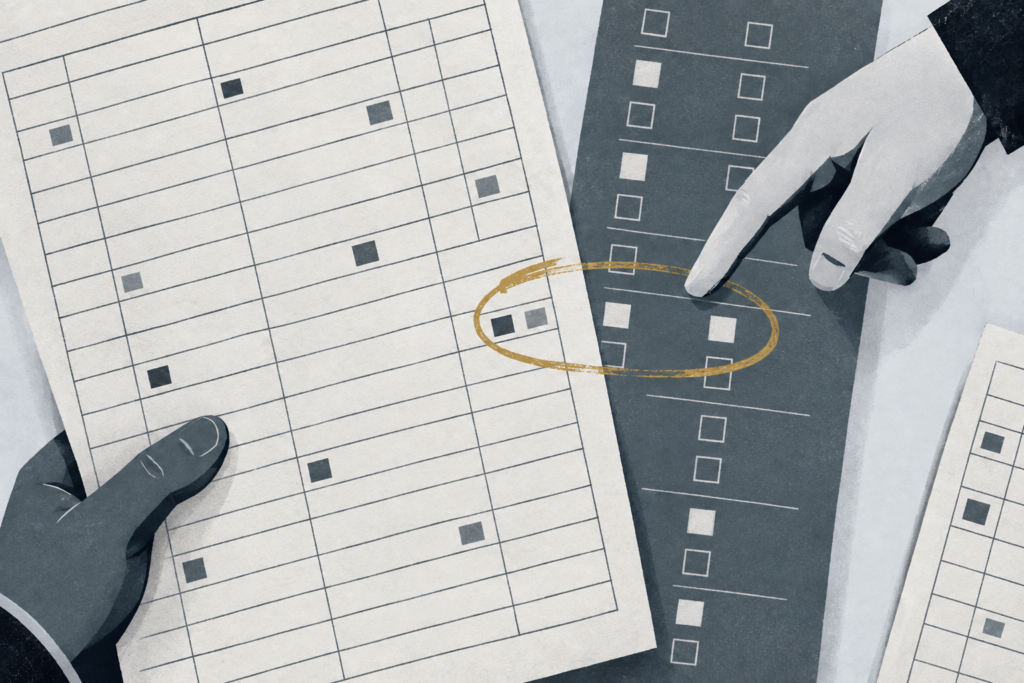
But now in September 2026, he is describing an AIHG operating system that draws information from the PMS, revenue management, point of sale, accounting, applicant tracking, and engineering systems. They call it “the pulse.”
He wants hotel managers to use that information in the daily standup.
“One of the things that AI is great at is aggregating data and then arming humans with that data,” he said.
Does AI-Native Mean Building Every System From Scratch?
AI-native operations does not require developing every hotel system from scratch. Sloan is choosing where AIHG should build technology and where it should work with partners.
“We’re not going to build a revenue management system,” he said. “We’re going to have a strategic partnership.”
At the time of our conversation, he said the company was working on partnerships for revenue management and its financial ERP. He intends its technology to work across different PMS, CRS, and RMS platforms, in branded hotels as well as independent ones.
How People’s Roles and Training Change with AI-Native Hotel Operations
Sloan is starting with back-of-house hotel operations functions before changing guest-facing work such as the front desk.
Even there, successful adoption requires people to work differently. He described training people to interact with agents, building that into onboarding, continuing to train them, and including AI in how their performance is evaluated.
“Having proprietary tech is important, but also having proprietary training, proprietary onboarding, and educating and reimagining the work that the humans are doing is critical,” he said.
Sloan has previously written for HotelOperations.com about how culture and training shaped his hotel leadership approach.
For a manager, the practical questions follow from the changed process. If AI takes over application screening, what work should the manager spend that time on? If information is prepared for the standup, what does the team need to understand to act on it?
AIHG’s operating model is based on running hotels with fewer people. Sloan believes AI can make some roles, including GM and director of sales, more valuable and allow some of the savings to support higher pay.
He described a GM spending less time preparing P&L explanations, processing accounts payable, and reviewing résumés, with more time to welcome guests in the lobby.
“People get into the hotel business to host others,” he said, “not to do accounts payable in their office or spend time doing paperwork.”


